-
Alexander the Great terminated Gor´s Tanda business in 327-326 B.C
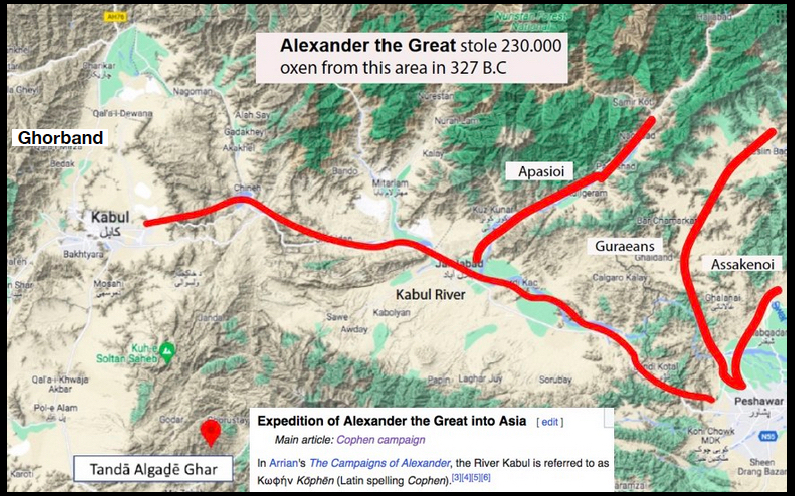
The Greek general stole 230.000 oxen in the Himalayas. And forced the tribals to help them to take them to Macedonia.
PDF will be made available for purchase.
Visit: https://exodussouth.com/
-
Tribal history according to Gor Banjara females
Its a great privilege to honor Gor Banjara females. They have preserved the ancient history of their people. I hope educated members of this tribal community will explain this glorious past to their mothers and sisters. And that my beloved people shall face a restoration. I pray they also shall be granted compensation for the horrible crimes committed against them by the British Criminal tribes Act.
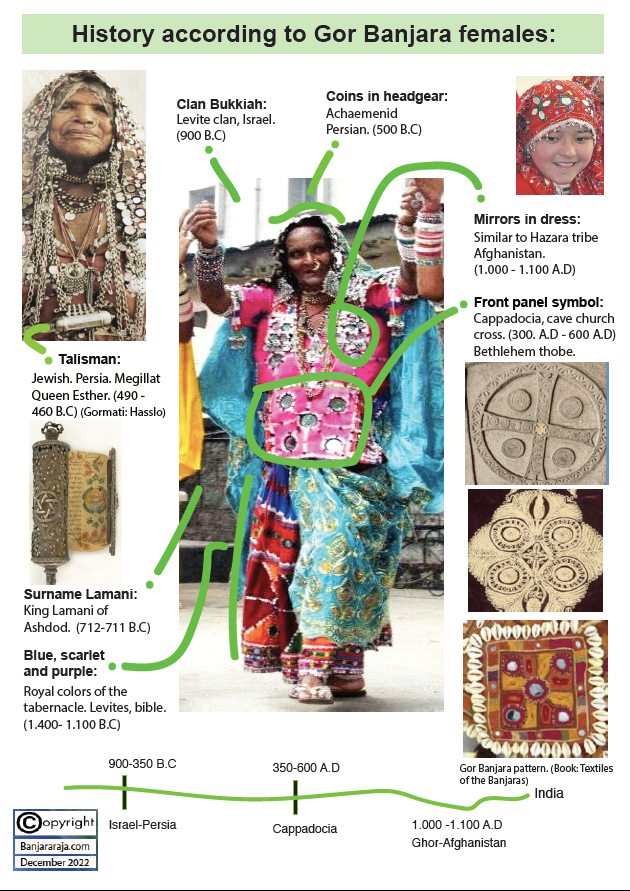
Download for free a large PDF (7,3 MB) of this chart, Illustration:
-
Levite Bukkiah match Gor Banjara clan
The biblical figure Bukkiah match the name of a large clan of the Gor Banjara tribe. If you do not see the big picture, simply another very strange coincidence? The Bible explains that Bukkiah was a temple musician from the Israeli tribe of Levi serving in king Solomons Temple in Jerusalem: 1 Chronicles 25:4 As for Heman, from his sons: Bukkiah, Mattaniah, Uzziel, Shubael and Jerimoth; Hananiah, Hanani, Eliathah, Giddalti and Romamti-Ezer; Joshbekashah, Mallothi, Hothir and Mahazioth. (…) Bukkiah is the great grand son of the prophet Samuel. When the Gor Banjara community acknowledge their biblical identity, this tribe will be able to preserve their Middle Eastern nomadic fingerprints. Unfortunately their unique dress code, patterns, symbols and rituals are fading away quickly in the 21st century.

-
Banjaras: Links and visits to ancient Israel
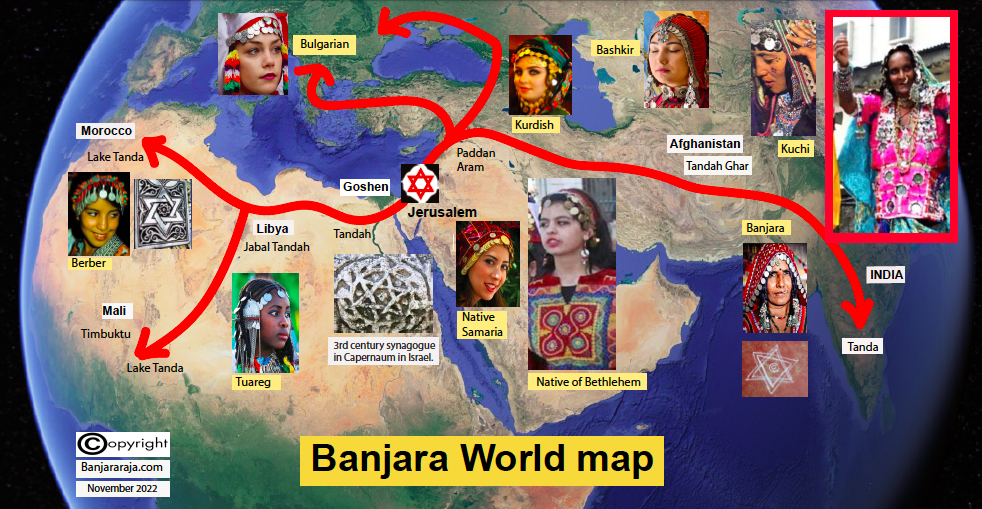
The Banjara tribe in India were nomadic long distance transporters. Their carevans could be 35-40 kilometers long, and have 100.000 bulls and bullocks. A comparative study of their females dress code, their DNA and use of judaic symbols, display a Middle Eastern origin and links to the ancient Israel and the Davidic kingdom. The Gormati (Lambadi) word “Tanda” in one of the keys to understand their trading routs, or Lamani margs. Tanda means camp, and they can be found at the edge of the Atlantic Coast in Marocco, just south of Timbuktu in Mali and along the Nile river in Egypt.
-
Laban and Indian gypsys called Labhani
In the indian state of Gujarat the Banjara people are known as the Labhani’s. As recoded by Encyclopedia Britannica. The language of this north western Indian state, is also the regional language in India who are closest related to Gormatti, the language of the Banjara people. In the Indian context, the word Lamani has been understood to have originated out of the word Lavan. Which means salt. It also can be understood as white, the colour of salt. The nomadic tribe came in long caravans, and they were considered to be traders in salt.

But in a Middle Eastern context, “Labhani’s” do have a very different origin. Laban is the male head of a tribe. The brother in law of Jacob, the father of the 12 tribes of Israel. Laban provided Jacob with his two wives, Rachel and Leah. The tribe of Laban provided the Jewish people with the female blood line. Laban and Jacob are also connected on the male family line. They had the same Great Grand father in Terah, the father of Abraham and Nahor.
Back to the Indian context: If the Banjara people are not originally from India. The correct understanding of the relationship phrase “a Labhani” should literally be understood as: “a daughter of Labhan”. In lesson number 1, I explained that the Banjara people use the word “Aram” everyday. Without failure. When Jacob set ut to find his wife, he traveled back to the house of his mother Rebecca. Who lived in Paddan Aram. The fields of Aram, the son of Shem. These fields had Harran as the village center, the place where Laban lived. -
Paddan Aram: – Aram chi, Aram tzo. Are you ok?
Paddan Aram was an early Aramean kingdom in Mesopotamia. Paddan Aram means the field of Aram. These are the fields of a man, Aram, one of the sons of Shem. And the people who lived here are Shemites, relatives of Abraham.
The Banjara people (Lambada. Labhani. Lamani) use the word “Aram” everyday. You will be greeted with the following question: Aram chi? The answer will be “Aram tzo”. The English understanding of this question and answer will be: Are you ok, and in peace? The expected answer will be: “Yes, everything is fine”. In the Indian context, “Aram” means peaceful, and in balance. But as a personal greeting, the Hindi speaking people would use “Shanti” as a statement proclaiming a peaceful mind. The Banjara language (Gormatti) is the only language in the Indian subcontinent who use the phrase “Aram” as a personal greeting, the first word spoken in every personal encounter. Without failure.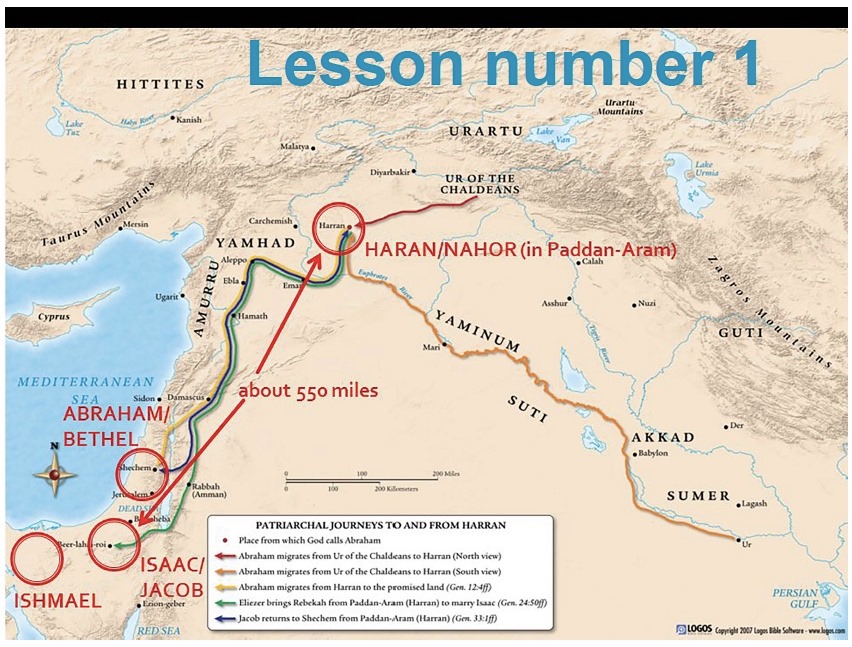
In the Middle Eastern Context “Aram” is the name of a man, the head of a tribe. And the area where they settled is called Paddan Aram. The home of Nahor the brother of Abraham, the father of Rebecca who married Isaac the son of Abraham. Laban lived in Haram, the village center of Paddan Aram. Jacob, the father of the 12 tribes if Israel served under Laban for 14 years. He married his who daughters Rachel and Leah.The history of pastoral Nomadic tribes is passed on to the generation orally. The tribes who lived in this area would eventually be driven away, and never to return. The sons and daughters would be instructed; “Please remember Aram”. The daily question would be: “Is Aram ok?”. In the gormatti language “tzo” would mean “go”. A reply like “Aram tzo” would literally mean “Go to Aram”. Hundreds of years back, the daily conversation would likely have been: ‘You are Aram, are you ok? “Please go to Aram and find out your self”. Aram chi? Fram tzo.
This linguistic circumstantial evidence is not sufficient to make a case for the Banjara people originally living in Paddan Aram. But as I will and have explained, there are multiple circumstantial evidences. And when all the pieces are puzzled correctly together, it is possible to make a strong case. The Banjara people are linked to the lost tribes of Laban.
-
Aram son of Shem and the kingdom Aram Damascus
There are two ancient people who are closely related to the history of Israel. Aramenans and Assyrians. Both of them had their kingdoms inside todays Syria. But there is a huge difference between them. The Assyrians are the sons of Ham, the Son of Noah. Sworn enemies of the people of Israel. The Arameans are the sons of Aram the son of Shem. The people of Aram are Shemites. just like the 12 tribes of Israel. The Banjara’s use the word Aram every day. Aram was the brother of Elam, both sons of Shem. In Elam you find the origin of the word « Tanda ». Also used by the Banjara’s every day. The chief (mayor) Tanda was captured by the Assyrians and exiled to Egypt in 668 B.C.
A few hundred years earlier, there was a kingdom named Aram Damascus, around 1.000 B.C. (map). The peopel of Aram were subjects of Jewish King David. After the death of King David and King Solomon, ancient united Israel fell apart. A new kingdom named Aram Damascus took control of the areas of todays Golan Heights, originally gifted to Manassse the son of Joseph, the son of patriarch Jacob. Aram-Damascus invaded the northern Kingdom of Israel, but were not able to take the city of Jerusalem. The people of Aram-Damascus were captured by the Assyrians, (ca. 740-732 BC), and taken into captivity in Assyria together with the 10 lost tribes of Israel. Could it be possible to identify the remnants of these 10 tribes, by decoding words in Gormatti, the oral Banjara law code, use of Judaic symbols, traces of the Mosaic law and clues from the patterns and jewellery of Banjara females? I believe so. I will give you all the evidences, to conect my beloved Banjara people back to their forfathers. Something to reflect on.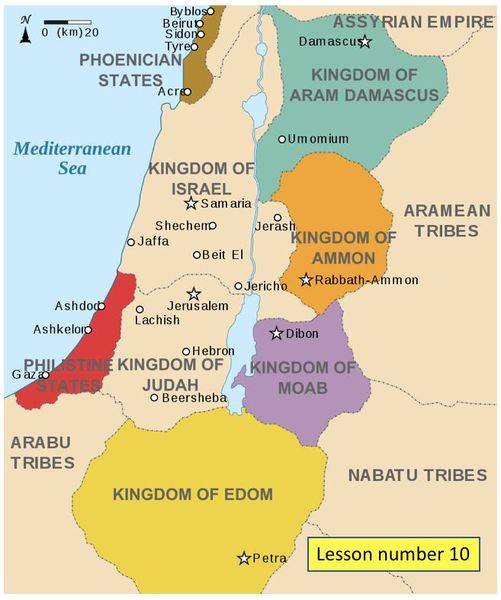
-
Kurmanji and Gor Banjaras use of “Aram”
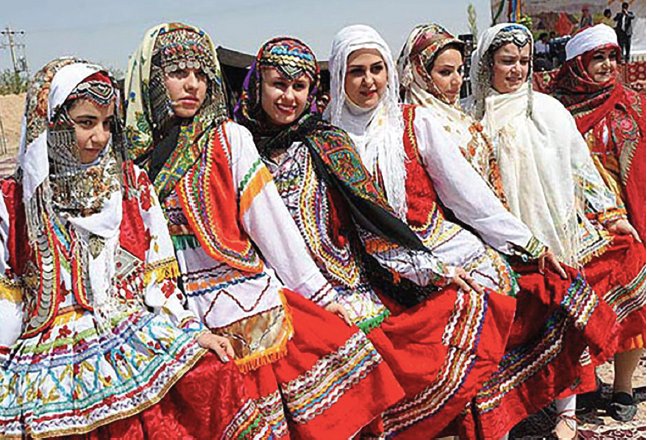
Both the Kurmanji people in North Eastern Iran and the Gor Banjaras use the word «Aram». In both cultures, used as a friendly request at the beginning of all conversations: «Are you at peace» or «resting»? During the Achaemenid Persian Age (600-300 B.C) both Kurmanjis and Banjaras traveled along the Khurasan Road that connected the Middle East with the Indus Valley. In Hebrew Aram-i mens Laban. (page 72-73, «Gypsy and daughter of Israel, Gor Banjara») This was a tribe that lived in Paddan Aram. (The fields of Aram). The plains where the ancient Aramean people dwelt, the border area between today’s Syria and Turkey. Keep in mind that Patriarch Jacob, before he was renamed Israel, was an Aram-ean. From the Bible: Deuteronomy 26:5: “My father was a wandering Aramean, and he went down into Egypt with a few people and lived there and became a great nation, powerful and numerous. (…). As a bachelor Jacob came to his uncle Laban at Paddan Aram in search for a wife. And returned to the land of Kanaan with not less than four Aramean wifes.

-
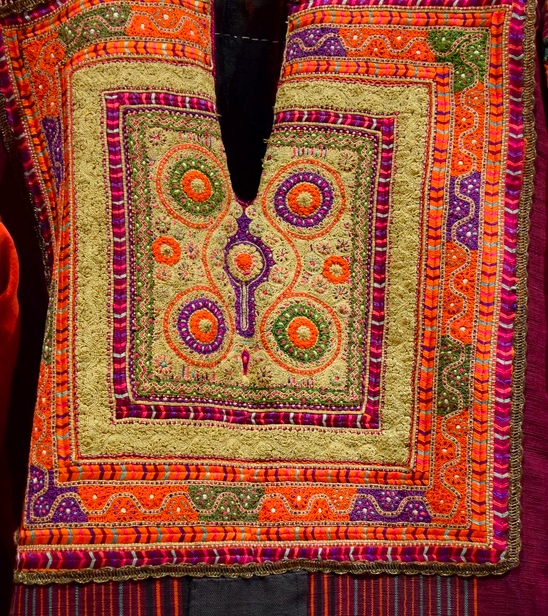
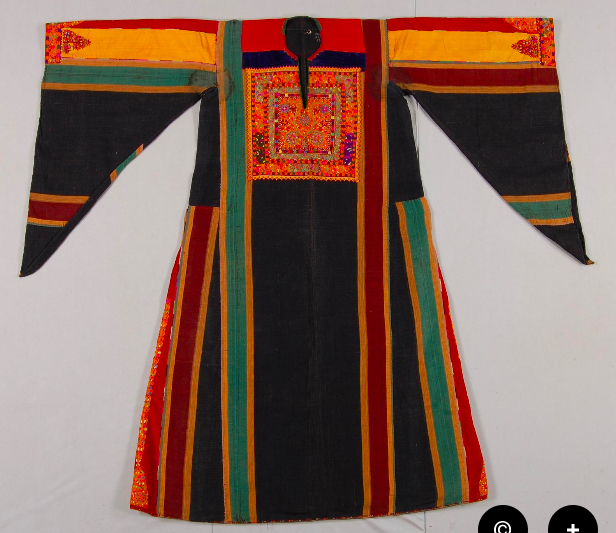
The dress code of Bethlehem in Israel and textiles of Gor Banjaras
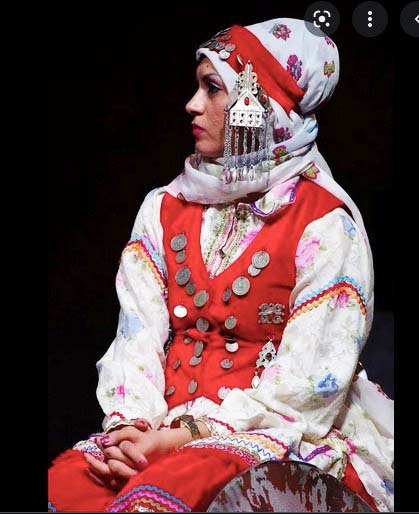
Each village in the Israeli districts of Judea and Samaria have their own styled folk dress or thobe. Through her dress code you can identify a woman from a particular village or town. A similar system is found within the Gor Banjara culture. You can identify a lady’s regional location by her color combinations and patterns. The town of Bethlehem is the main center of production of thobe’s in Israel. The symbol on the breast plate of the Bethlehem dress is only used in this town and surrounding villages. In the next articles I will compare the Bethlehem dress code, textiles and cultural items with what I have found in the Gor Banjara community. A very exciting journey, with nomadic tribes who have preserved their unique styles through generations.
-
Esther scrolls inside Talisman and prayer boxes
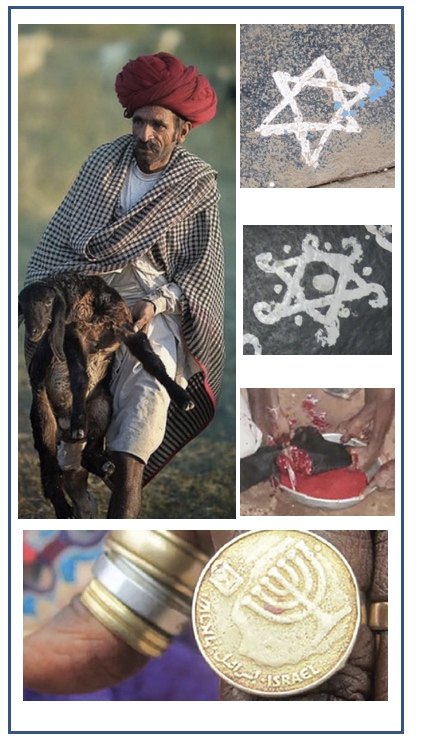
The first talisman (taita) contained a mini-version of the scroll of Queen Esther, the Jewish queen of Persia (492 B.C – 460 B.C.) As Islam captured the whole area of ancient Persia (700 A.D-1.000 A.D), Muslim leaders ordered the replacement of the biblical book of Esther with verses from the Koran. The Banjara tribe refused to convert to Islam, and do not display any Koran verses on their taitas. It taita was the only object of Judaic origin among the Banjaras, this could be a strange coincidence. But the Banjara tribe also use the Star of David, the Seal of Solomon and even Menorah’s. The narrative that the Banjara tribe is a lost tribe of Israel stands strong. All these rediscoveries match their DNA, which is of Middle Eastern origin.

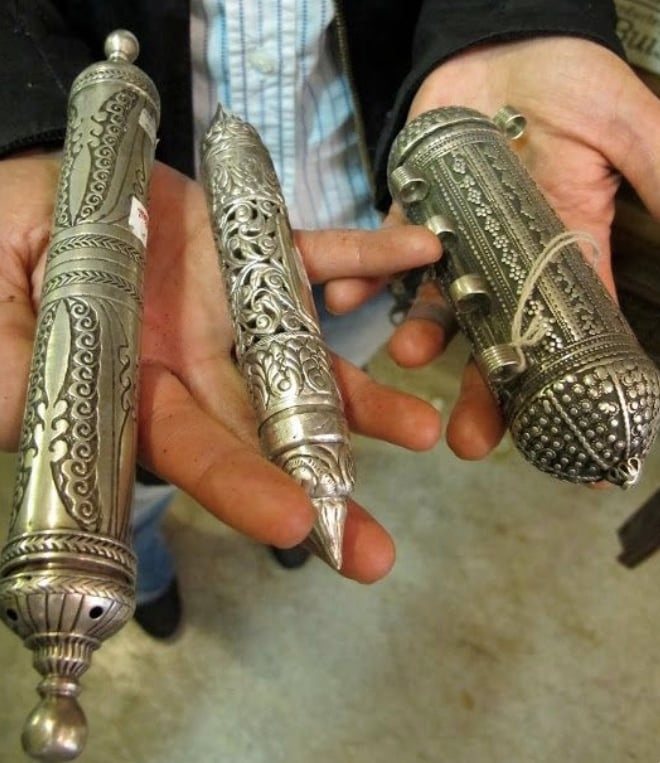
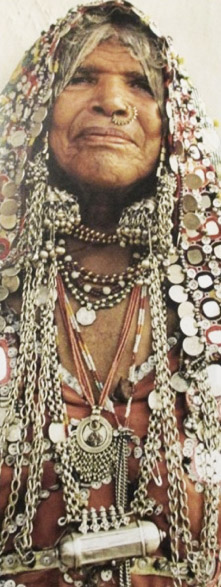
A Gor Banjara woman with a Jewish talisman, called Hasslo in Gormati.
-
Video with female Persian dress code used by Gor Banjaras
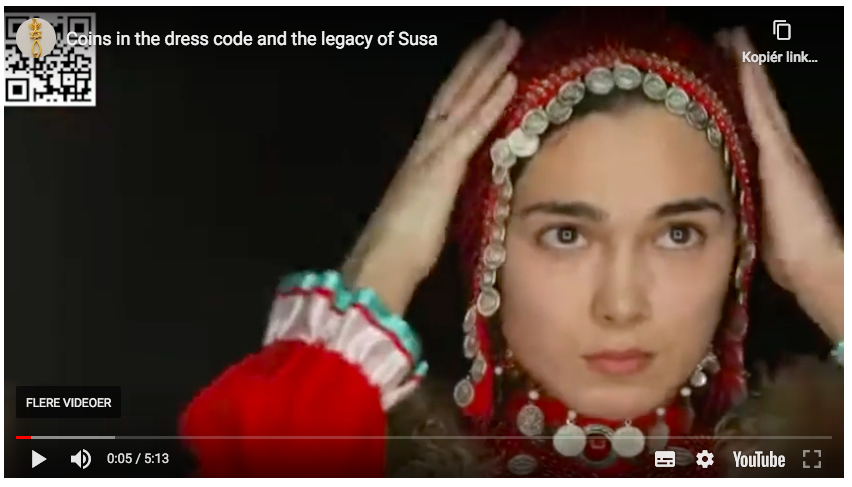
The Persian links to the state of Karnataka can not be denied. Libraries and museums in the city of Mysore sill have records in the Persian language. Please feel free to watch this video with the links between the Gor Banjaras in Northern Karnataka and the female Persian dress code with use of coins. On my Banjara Book website you find a link to this video translated into Gormati (Lambadi).
-
The seal of king Solomon in Karnataka
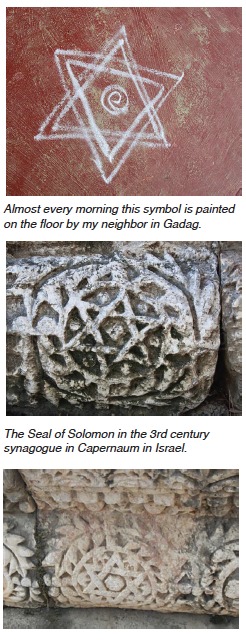
The Jewish history book of 1.kings was written during the Babylonian exile ca. 550 B.C. 1 Kings 4:34: «From all nations people came to listen to Solomon’s wisdom, sent by all the kings of the world, who had heard of his wisdom.» This explains how king Solomon could be a very well known person in the Middle East, North Africa, Persia and India. A claimed seal of Solomon is used as a symbol in most synagogues around the World even today. This symbol is also used from Morocco in the West to Karnataka in India to the East. In Tandas around the city of Gadag the Banjaras paint this symbol on their doorsteps and floors. You should ask your self a few questions: Why? How did this tradition start? What was their original source of inspiration? There are other narratives to the origin of this symbol. But they must all be considered opinions, since there are no written ancient records that can be used to support their viewpoint. Scientists were able to decode Egyptian hieroglyphs and rediscover 4.000 years of the Nile valley’s history. How? With the help of Hebrew references to Egypt found in the Bible. There are 660 of them in New King James version. Only the city of Jerusalem have more references, the total of 815. You can read more in my book: “Gypsy and daughter of Israel Gor Banjara”. https://banjarabook.com
-
Blood sacrifices: Dasara in Gadag and Yom Kippur in Israel
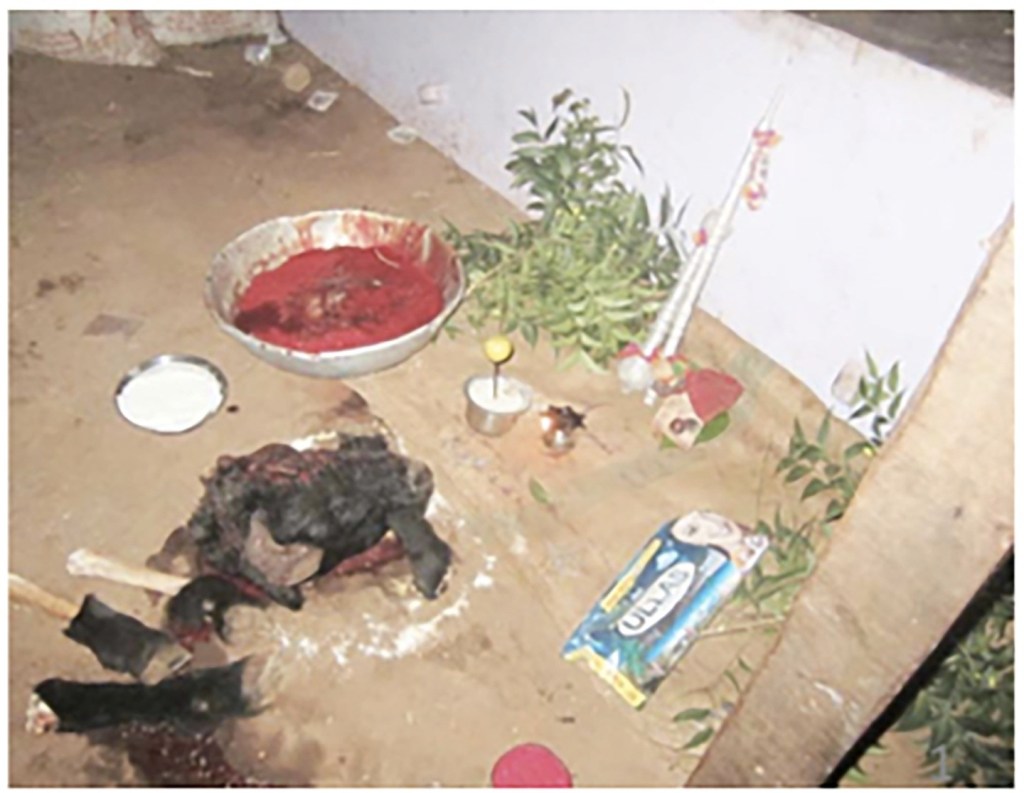
Dasara is celebrated in many Tandas in India. Around the city of Gadag its like Yom Kippur in Israel. The ancient Law of Moses demand that the people of Israel cut a goat and use the blood as atonement for sins. Another goat is made a scapegoat. The sins of the people are placed on its head, and the goat chased into the wilderness. The Gor Banjara people in Karnataka do the work of the Law of Moses, but not knowing what they are doing. They cut the goat, strip the animal for all its blood, and present the blood before an idol-stick. Next: They ask “god” to forgive their sins. They make a huge party and eat the bloodless and roasted goat. Just like Moses commanded the people of Israel to do in the book of Exodus in the Bible. Just open and read.

-
The Dasara and Sukkot festivals
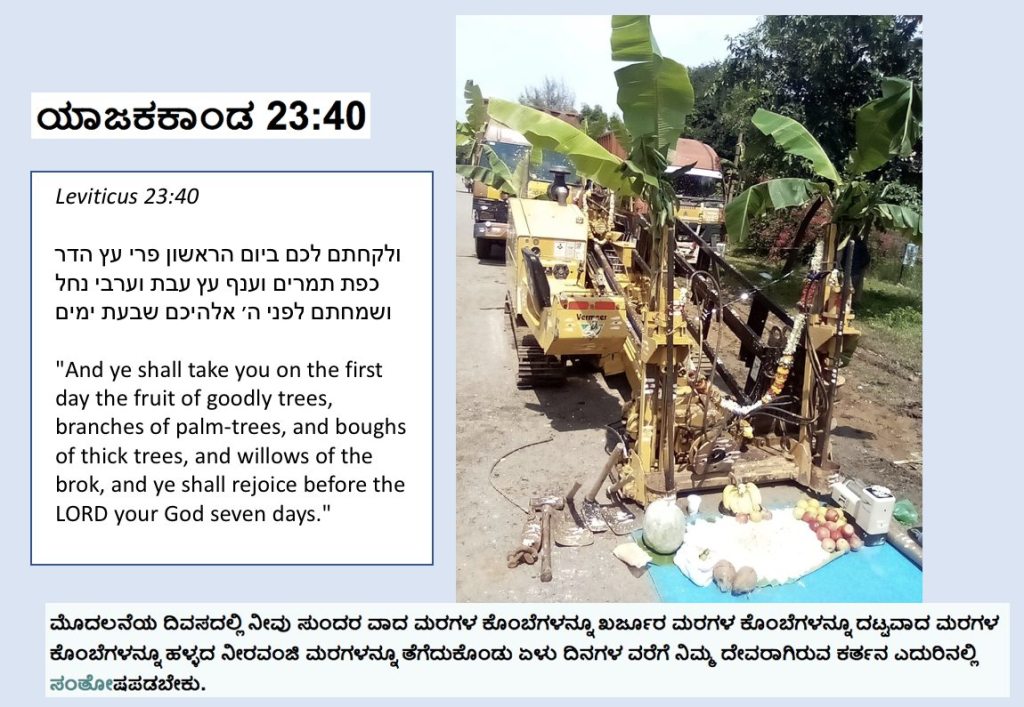
Sacrifice of goat blood on Yom Kippur (the great Day of Atonement) and using palm plants (sticks) during Dasara. The city of Gadag is the urban center for Tandas (camps) with approximately 30.000 tribals from the Gor Banjara community. These tribals do the work of the Law of Moses, not understanding what they are doing. The palms of Dasara in Gadag looks like the palms of Sukkot (Feast of Tabernacles) in Jerusalem. These feasts celebrated just days between each other. Just one more example that within the Gor Banjara community there are souls from the lost tribes of Israel.
-
Subscribe
Subscribed
Already have a WordPress.com account? Log in now.
 The World of the Banjara Raja